Four in a Row

PLL Algorithms: All 21 Cases

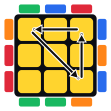
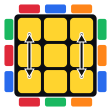
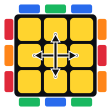
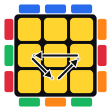
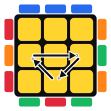
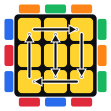
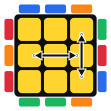
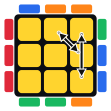
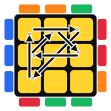
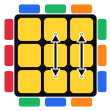
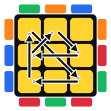
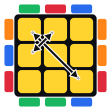
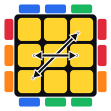
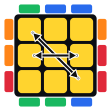
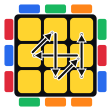
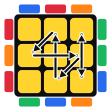
PLL means permutation of the last layer: once the top face is all yellow, one PLL algorithm moves the top pieces into their right places and the cube is solved (sometimes with one last turn of the top). There are 21 cases, each with a letter name. The arrows show where pieces travel when you do the moves.

Two-look PLL: first fix the corners with an A perm (or a T perm), then fix the edges with a U perm, H perm or Z perm. That is just six algorithms to start with.

Corners only
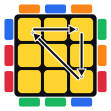
Aa perm: top view with arrows showing where pieces move

Aa perm

x R' U R' D2 R U' R' D2 R2 x'
Ab perm: top view with arrows showing where pieces move

Ab perm

x R2 D2 R U R' D2 R U' R x'
E perm: top view with arrows showing where pieces move

E perm

x' R U' R' D R U R' D' R U R' D R U' R' D' x

Edges only

H perm: top view with arrows showing where pieces move

H perm

M2 U M2 U2 M2 U M2
Ua perm: top view with arrows showing where pieces move

Ua perm

M2 U M U2 M' U M2
Ub perm: top view with arrows showing where pieces move

Ub perm

M2 U' M U2 M' U' M2
Z perm: top view with arrows showing where pieces move

Z perm

M' U M2 U M2 U M' U2 M2

Swap two corners and two edges
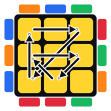
T perm: top view with arrows showing where pieces move

T perm

R U R' U' R' F R2 U' R' U' R U R' F'
Ja perm: top view with arrows showing where pieces move

Ja perm

x R2 F R F' R U2 r' U r U2 x'
Jb perm: top view with arrows showing where pieces move

Jb perm

R U R' F' R U R' U' R' F R2 U' R'
F perm: top view with arrows showing where pieces move

F perm

R' U' F' R U R' U' R' F R2 U' R' U' R U R' U R
Ra perm: top view with arrows showing where pieces move

Ra perm

R U' R' U' R U R D R' U' R D' R' U2 R'
Rb perm: top view with arrows showing where pieces move

Rb perm

R' U2 R U2 R' F R U R' U' R' F' R2

Swap corners across and two edges
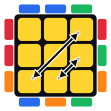
V perm: top view with arrows showing where pieces move

V perm

R' U R' U' y R' F' R2 U' R' U R' F R F
Y perm: top view with arrows showing where pieces move

Y perm

F R U' R' U' R U R' F' R U R' U' R' F R F'
Na perm: top view with arrows showing where pieces move

Na perm

R U R' U R U R' F' R U R' U' R' F R2 U' R' U2 R U' R'
Nb perm: top view with arrows showing where pieces move

Nb perm

R' U R U' R' F' U' F R U R' F R' F' R U' R

Three corners and three edges

Ga perm: top view with arrows showing where pieces move

Ga perm

R2 U R' U R' U' R U' R2 U' D R' U R D'
Gb perm: top view with arrows showing where pieces move

Gb perm

R' U' R U D' R2 U R' U R U' R U' R2 D
Gc perm: top view with arrows showing where pieces move

Gc perm

R2 U' R U' R U R' U R2 U D' R U' R' D
Gd perm: top view with arrows showing where pieces move

Gd perm

R U R' U' D R2 U' R U' R' U R' U R2 D'

Watch the T perm

Starting position for this demo
R U R' U' R' F R2 U' R' U' R U R' F'

The T perm swaps two corners and two edges. It is often the first full PLL people learn.

In these algorithms, x and y turn the whole cube, M is the middle slice and r turns two layers. See notation if any letters are new.

Questions people ask

Which PLL should I learn first?

The T perm and the two U perms are a good start, followed by the A perms. Together they cover two-look PLL with the H and Z perms.

Why does the cube need a last top turn after some PLLs?

Some algorithms finish with the top layer turned a quarter or half turn away from solved. One U, U’ or U2 lines it up. Cubers call this AUF (adjust upper face).